
5 Documents You’ll need for a Virginia FR44 Filing

Getting your driving privileges back after an alcohol-related offense may involve a process you weren’t expecting. Virginia requires certain drivers to meet specific financial responsibility requirements, and knowing what paperwork to prepare can make the process easier. The documents you’ll need for a Virginia FR44 filing depend partly on your circumstances, including your insurance situation and the requirements attached to your driving record. Gathering that information ahead of time can help you avoid delays as you work toward meeting those requirements.
Your Driver’s License
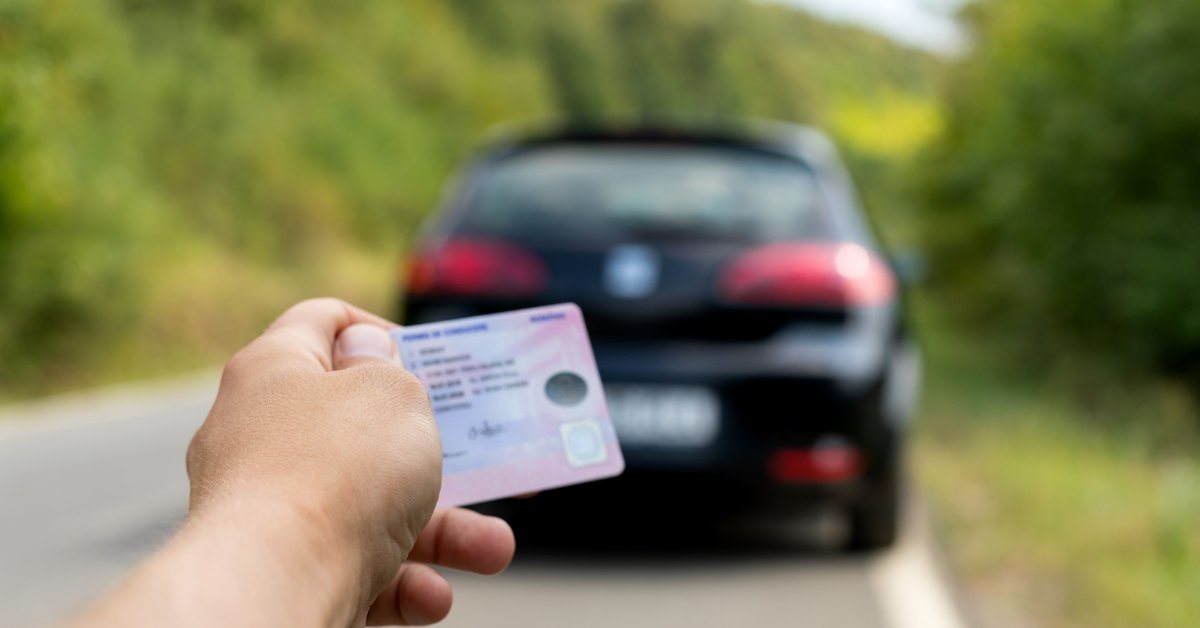
Your driver’s license is a good place to begin when preparing for an FR44 filing. An insurance agent may request your license number to review your driving history and prepare your application. If Virginia has suspended or revoked your license, you can generally still provide the information from your previous license when discussing coverage. However, having your physical license doesn’t mean you’re legally allowed to drive.
Check Your Personal Information
Review your license information before you request coverage, particularly if you’ve recently changed your legal name. Your insurer needs accurate personal information to prepare your policy and FR44 filing. If your license contains outdated information, explain the discrepancy rather than assuming it won’t affect your application. You may need to provide additional identification if the insurer can’t verify your details.
Address License Status Questions
Be prepared to explain your current license status. An expired license is different from one that’s been suspended following a conviction. Your agent may need this information to determine which coverage options are available to you. Therefore, don’t assume you must already have an active license to begin exploring FR44 insurance options.
2. Your Court Documents
Certain convictions trigger Virginia’s FR44 requirements, so your court paperwork can help clarify why you need the filing. Your sentencing order or other court records may provide details about the offense and its associated requirements. Your insurer may not need every document, but having your records available can help you answer questions about your conviction.
Court records can also help you distinguish the penalties imposed by the court from the administrative steps required to regain your license. You may need to complete those requirements on different timelines. Review your paperwork carefully so you don’t mistake completing one requirement for fulfilling all your obligations.
3. Your DMV Reinstatement Notice
Your Virginia DMV notice or compliance summary can help you identify the requirements for restoring your driving privileges. It may identify an outstanding FR44 requirement or additional steps you need to complete. Review the notice carefully, since your DMV requirements may differ from what you remember about your court proceedings.
The DMV determines which financial responsibility filing you need, so its records are particularly important. Virginia distinguishes FR44 requirements from SR22 requirements, and the two involve different liability coverage limits. Confirm your filing type before purchasing coverage so you don’t end up with a policy that falls short of Virginia’s requirements.
4. Your Current Insurance Documents
If you already have auto insurance, gather your declarations page before requesting a new policy. Your declarations page shows your existing coverage, giving your agent a clearer picture of your current policy. However, an existing policy doesn’t automatically satisfy Virginia’s FR44 requirements, so you’ll need to confirm that your liability limits qualify.
You can also use your current policy information when comparing FR44 insurance quotes in Virginia. These quotes give you an estimate of what qualifying coverage may cost, although your final premium will depend on your driving history and other rating factors.
When reviewing your insurance documents, pay attention to the following details:
- Your current insurance company’s name
- Your policy number and effective dates
- Your bodily injury liability limits
- Your property damage liability coverage
- Your policy’s listed drivers and vehicles
5. Your Vehicle Registration
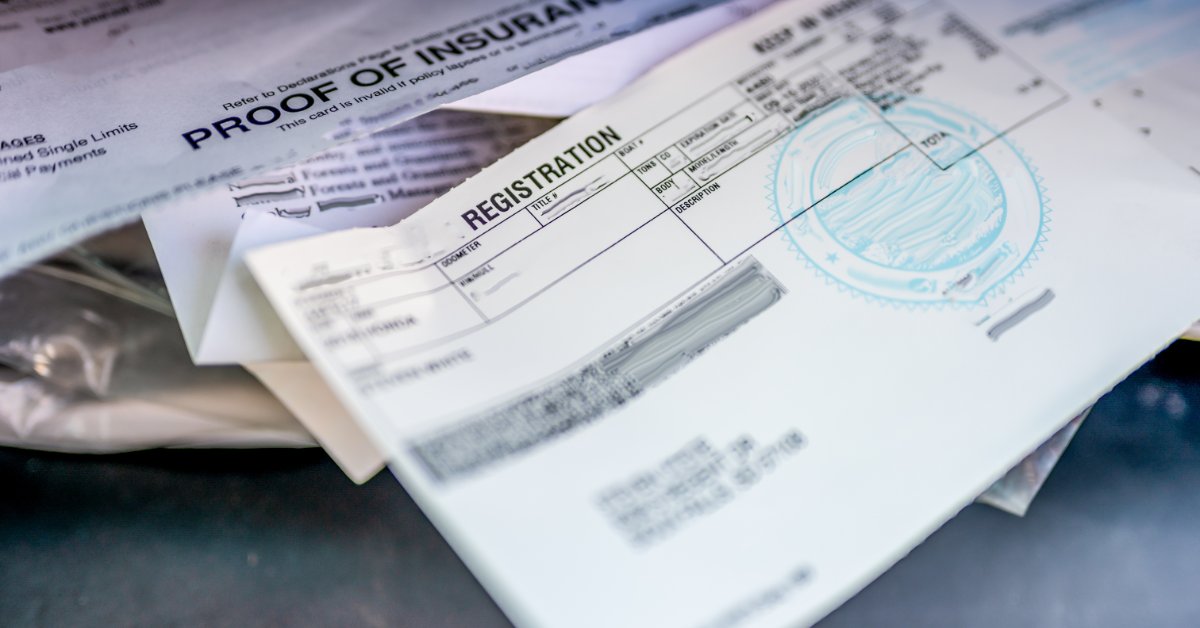
If you own a vehicle, keep your registration information available when arranging FR44 coverage. Your insurer may ask for your vehicle identification number (VIN) when preparing your policy. You can find your VIN on your registration or the vehicle itself.
Virginia also allows qualifying drivers who don’t own vehicles to obtain an operator’s policy. You may still need an FR44 filing if you don’t own a car, so vehicle ownership doesn’t automatically determine your filing obligations. Consequently, explain your ownership situation to your agent before selecting a policy.
Check Your Documents Before Filing
Once you’ve gathered your paperwork, compare the identifying information across your records. Check for discrepancies in your name or driver’s license number, since incorrect information could create problems with your filing. Confirm your policy’s effective date so you know when your coverage begins.
The documents you’ll need for a Virginia FR44 filing aren’t necessarily the same paperwork your insurer submits to the DMV. Your insurer generally submits the certificate to confirm that you carry the required liability coverage.
Once you’ve arranged coverage, follow up with your insurer about the filing process by:
- Confirming that your policy meets Virginia’s FR44 liability requirements
- Asking when your insurer will submit the certification
- Verifying the effective date of your FR44 coverage
- Checking with the DMV that it has received your FR44 certification
- Keeping your insurance documents for future reference
Keep Your Filing Active
Your FR44 obligations don’t end once the DMV receives your certification. If Virginia requires you to carry the coverage, you’ll need to maintain qualifying insurance throughout your required filing period. If your insurer cancels the policy, you might need to notify the DMV depending on your obligations, which can affect your driving privileges.
Keep track of your policy’s renewal date so you have time to address any issues before your coverage expires. If you decide to change insurers, arrange qualifying replacement coverage and the necessary filing without creating a lapse. Check with the DMV to confirm that it has received your new certification before considering the switch complete.
Gathering the necessary paperwork brings you closer to meeting your reinstatement requirements, and you don’t have to figure out the insurance process alone. With your filing requirements clarified, you can turn your attention to finding affordable coverage. Serenity Group helps drivers explore affordable insurance options for financial responsibility filings, including FR44 coverage. Contact us today to discuss your filing requirements and find a policy that helps you move forward with confidence.
Recent Comments