
When a Non-Owner Policy Might Not Protect You Fully
Drivers who must make an SR22 or FR44 filing often look for flexible ways to follow state requirements without owning a vehicle. Obtaining non-owner insurance can seem like a simple solution.
However, this type of policy also comes with limitations that some do not fully understand at first. Read on to learn when a non-owner policy might not protect you fully.
How Non-Owner Insurance Works
If you need a refresher on this type of policy, non-owner insurance provides liability coverage for drivers who do not own a vehicle but still need to meet state requirements. This type of policy often supports SR22 or FR44 filings, helping drivers maintain legal driving status without purchasing a traditional auto policy.
When It May Not Protect You
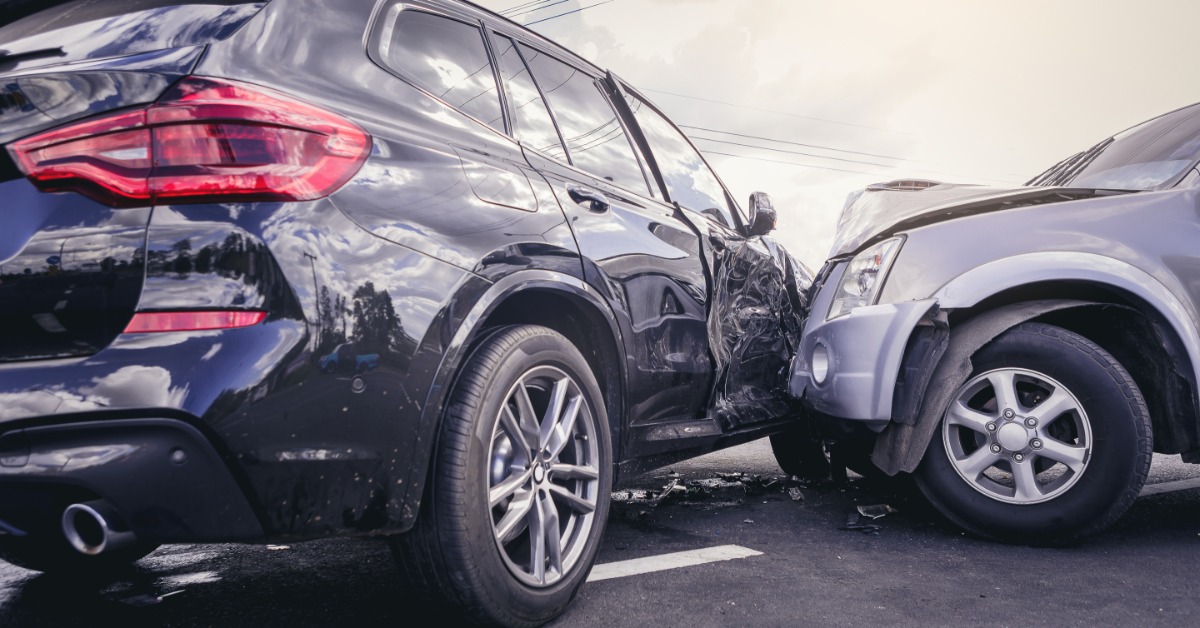
Now, we can look at situations in which a non-owner policy might not protect you fully. Understanding where these gaps exist can help you avoid costly surprises and compliance issues.
The Vehicle You Drive Experiences Damage
Non-owner insurance provides liability coverage only, so it pays for damage you cause. It does not cover damage to the vehicle you are driving, regardless of fault. If you get into an accident while driving a borrowed car, you may have no protection for the vehicle itself.
This limitation can pose serious financial risks, especially if the vehicle owner lacks sufficient coverage or expects you to pay out of pocket. Drivers who assume they have full protection often discover too late that their policy only addresses liability.
You Sustain Injuries

Another limitation of non-owner insurance is that it only covers the injuries you cause to others, not your own. If you are hurt in an accident, your policy may not include medical payments or personal injury protection. This can leave you responsible for your own medical expenses.
For drivers with SR22 or FR44 filings, this gap can create additional financial strain during an already challenging time. Medical bills can add up quickly, especially if you do not have health insurance or other forms of coverage. Understanding whether your policy includes any protection for your own injuries is essential before relying on it fully.
You Drive a Vehicle for Business
Most non-owner policies exclude coverage for business-related driving, including deliveries, rideshare services, or job-related errands. If you use a borrowed vehicle for work, your policy may not respond to a claim. This can leave you exposed to significant liability and compliance issues.
Your Belongings Experience Damage
Non-owner insurance does not cover personal belongings that are inside the vehicle at the time of an accident. Items such as phones, laptops, or other valuables fall outside the scope of liability coverage. If these belongings become damaged or destroyed, you may need to replace them yourself.
This limitation can catch drivers off guard, especially if they assume their policy covers everything related to the incident. For those managing SR22 or FR44 requirements, unexpected out-of-pocket costs can create additional financial pressure. Reviewing what your policy excludes can help you prepare for situations where your belongings are at risk.
When It Can Protect You
Despite its limitations, non-owner insurance can still be quite beneficial for drivers who need flexible coverage. Knowing when it works best allows you to use it effectively while maintaining your SR22 or FR44 requirements.
Times When You Borrow Different Vehicles
A non-owner policy works well when you borrow different vehicles. It provides liability coverage that follows you rather than a specific car, which makes it useful for drivers who do not own a vehicle. This flexibility allows you to stay compliant without committing to a traditional auto policy.
If You Need to Maintain Continuous Coverage
Maintaining uninterrupted coverage is essential for anyone with an SR22 or FR44 filing. A non-owner policy can help you avoid gaps if you do not currently own a car. This ensures your filing remains active and prevents penalties or extensions.
Even short lapses can cause serious setbacks, so having a policy in place at all times is critical. Non-owner insurance provides a way to stay compliant without incurring unnecessary expenses associated with vehicle ownership. This makes it especially valuable during periods of financial recovery.
You Need a Lower-Cost Compliance Option
Non-owner policies are usually more affordable than standard auto insurance because they cover less risk. For drivers who only need to meet SR22 or FR44 requirements, this can be a cost-effective solution. It allows you to fulfill legal obligations without paying for coverage you do not need.
Affordability plays an important role for drivers working to rebuild their financial stability after a violation. Lower premiums can make it easier to stay insured over time. This helps reduce the risk of missed payments or policy cancellations.
When You Are Between Vehicles
Drivers who plan to purchase a car in the future can use a non-owner policy as a temporary solution. It allows you to maintain compliance while you search for the right vehicle. This avoids interruptions in your SR22 or FR44 filing.
Once you purchase a vehicle, you can transition to a standard policy without restarting your compliance period. This flexibility supports long-term planning while keeping your current requirements intact. It also helps you avoid unnecessary complications during the transition.
When You Understand Its Limitations
A non-owner policy works best when you clearly understand what it does and does not cover. Drivers who take the time to review their policy details can use it effectively as part of their compliance strategy. Awareness helps prevent unexpected gaps in coverage.
This understanding allows you to make informed decisions about when additional coverage may be necessary. It also reduces the likelihood of denied claims or compliance issues. When used correctly, non-owner insurance can serve as a reliable tool for many drivers.
As we have seen, non-owner insurance can be a useful option for drivers who need SR22 or FR44 filings, but it does not provide complete protection in every situation that they may encounter on the road. Knowing its limits helps you avoid costly mistakes that you didn’t anticipate and ensures you remain compliant with state requirements.
If you want to explore obtaining non-owner vehicle insurance, contact Serenity Group today. Our staff can help you find budget-friendly options that will keep you in line with your state laws while making your situation less stressful.
Recent Comments