
Hidden Costs That Can Increase SR22 Insurance Premiums

Although some may see the process of obtaining SR22 insurance as straightforward, they may not be aware of certain costs that are not always obvious. Many drivers focus only on the base premium and overlook the details that influence what they actually pay.
These hidden costs can build up over time and make coverage more expensive than you expected. Understanding the hidden costs that can increase SR22 insurance premiums can help you stay in better control of your expenses.
Driving Record Changes After Filing
Your driving record continues to impact your premiums even after you secure SR22 coverage. New violations, even minor ones, can signal ongoing risk and push your rates higher. Insurers monitor behavior closely because SR22 filings already indicate prior issues.
A single ticket or citation can trigger adjustments that raise your premium during renewal. Repeated infractions can compound the effect, making it harder to stabilize your costs. Even small violations can have a lasting impact.
Over time, a pattern of risky behavior can limit your options for affordable coverage. Insurers may apply additional surcharges or restrict policy flexibility. Staying violation-free remains one of the most effective ways to avoid these added expenses.
Payment Issues and Coverage Interruptions
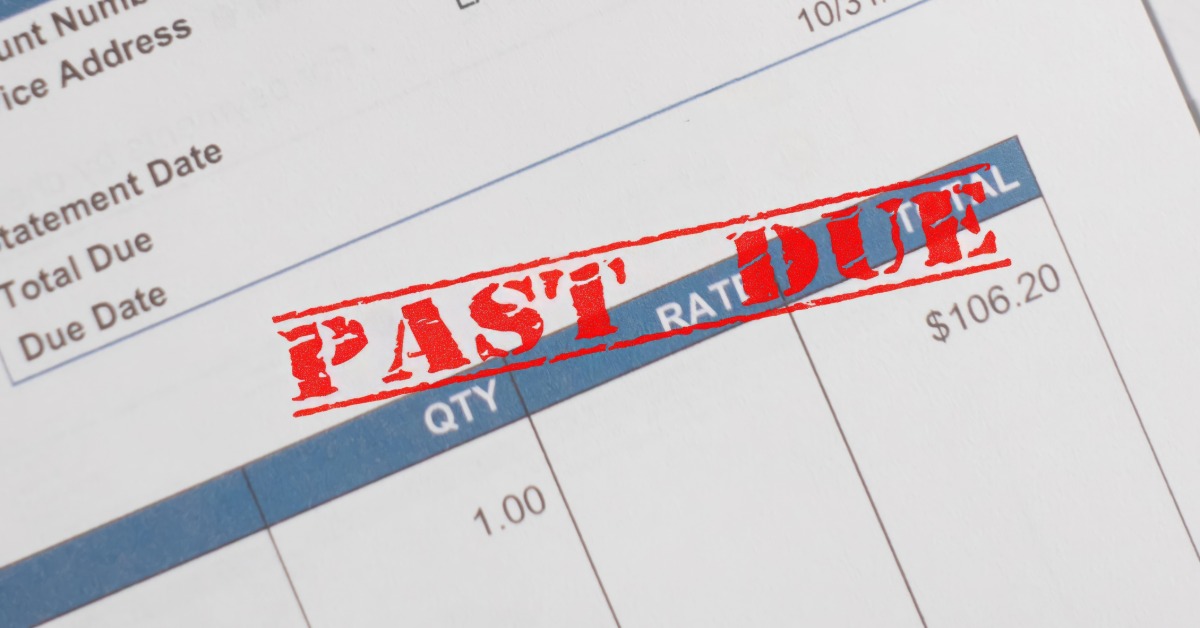
Payment behavior also plays a significant role in how insurers price SR22 policies. For example, if you miss a payment, it can signal financial instability, which insurers may factor into your rate.
The lapse in coverage can also lead to higher premiums when you restart your policy. Insurers view gaps in coverage as a sign of increased risk.
Reinstatement fees can add immediate costs on top of higher monthly payments. You may also face stricter terms when reapplying for coverage. Maintaining continuous coverage and consistent payments helps you avoid these added financial burdens.
Your Relationship Status
Your relationship status can influence how insurers evaluate your SR22 insurance risk. For example, married drivers often receive different rate considerations than single drivers. Insurers may view shared responsibility as a sign of more stable driving behavior.
Combining policies with a partner can sometimes reduce overall costs. However, adding a partner with a history of risky driving can increase your premium. Keeping your policy updated ensures your rate reflects your current situation.
Vehicle Type and Changes

The type of vehicle you drive also directly affects your SR22 premium. For example, switching to a higher-value or higher-performance vehicle can increase your insurance costs. Insurers will consider repair costs, theft risk, and safety ratings.
Even making small changes to your vehicle can influence pricing. Adding modifications or upgrading features may raise your premium. These adjustments can make your policy more expensive than expected.
However, if you make frequent vehicle changes, this can lead to pricing instability. Insurers may reassess your risk profile each time you switch cars. Choosing a practical and reliable vehicle can help keep costs manageable.
Mileage and Driving Habits
Your mileage and driving habits can increase SR22 insurance premiums. Higher mileage increases your risk exposure, which insurers account for in pricing. Frequent driving can lead to gradual increases over time.
Changes in commuting patterns can also impact your rates. If you take on a longer commute or take more frequent trips, these habits may raise your premium at renewal. Even seasonal changes in driving habits can affect pricing.
Consistently high mileage can make it harder to reduce your costs. Insurers may classify you as a higher-risk driver due to increased exposure. Limiting unnecessary driving can help control these hidden costs.
Credit Score Fluctuations
Your credit profile can influence how insurers assess your financial reliability. A drop in your credit score may lead to higher premiums. Insurers often associate lower credit with increased risk.
Even small changes in your credit standing can affect your rate. Missed payments or increased debt can shift how insurers evaluate your profile. These factors can raise your premium without warning.
Fortunately, you can reduce this risk by maintaining stronger financial habits. Consistent payments and responsible credit use support more stable pricing. Monitoring your credit regularly can also prevent unexpected increases.
Filing Requirements and State Regulations
SR22 requirements vary by state, and those differences can affect your total cost. Some states impose stricter filing rules or longer durations. These factors can extend how long you pay higher premiums.
Administrative fees tied to filings can also add to your expenses. States may require additional documentation or processing steps. These requirements can increase your overall financial commitment.
Changes in state regulations may affect your policy with little notice. Updated laws or requirements can alter your filing timeline. Staying informed about your requirements can help you plan and avoid the shock of these changes.
Coverage Adjustments Over Time
Adjusting your coverage levels can also affect your premium. Increasing limits or adding optional protections can raise your monthly cost. These updates often reflect a higher level of financial protection.
Although reducing coverage might seem like a way to save money, it can create risks. Lower limits may not fully protect you in an accident. Insurers may still adjust pricing based on other factors.
Frequent coverage changes can also affect pricing stability. Insurers may reassess your risk profile with each adjustment. Reviewing your coverage carefully helps balance protection and cost.
The Location of Your Home
Believe it or not, but where you live also plays a major role in how insurers calculate your SR22 insurance premium. People who live in areas with higher traffic density or accident rates often incur higher costs. Insurers use location data to assess the likelihood of claims.
Urban environments tend to carry higher premiums due to congestion and theft risk. Even within the same city, different neighborhoods can produce different pricing outcomes. These variations can create unexpected changes in your rate.
Moving to a new location can trigger a premium adjustment at your next renewal. A higher-risk area may increase your costs, while a lower-risk area may reduce them.
Now you know what can make SR22 insurance more expensive than you may have initially expected. By understanding what drives these increases, you can avoid unfortunate surprises and unnecessary expenses.
If you need help finding affordable SR22 car insurance coverage that fits your situation, don’t hesitate to contact Serenity Group. We can guide you toward options that align with your needs while answering any additional questions you may have about SR22 insurance.
Recent Comments