
What To Expect When Adding Vehicles to a Fleet Policy
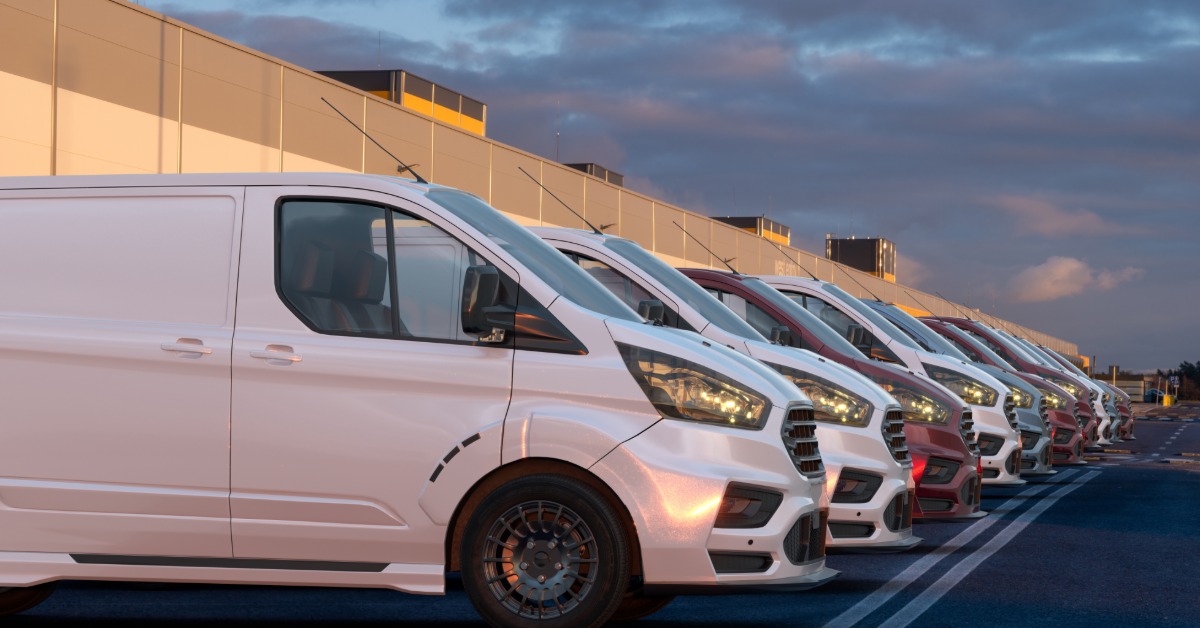
Growing a business often means expanding your fleet to meet rising customer demand and improve daily operations. Every new vehicle creates opportunities for greater efficiency, but it also introduces new responsibilities that require careful planning. Understanding how fleet insurance works before adding vehicles helps you avoid delays, unexpected costs, and coverage gaps. When you know what to expect, you can make confident decisions that protect your company and your drivers.
Commercial fleets rarely stay the same for long because businesses evolve with changing workloads and customer needs. Whether you purchase one additional truck or several service vans, every change affects your insurance policy. Insurance providers evaluate several factors before they approve coverage, and these details influence your premiums and policy terms. Here’s a look at what to expect when adding vehicles to a fleet policy.
Why Businesses Add Vehicles to Fleet Policies
Business growth remains the most common reason companies expand their fleets. A contractor may purchase another pickup to support a growing crew, while a delivery company may invest in additional vans to reach more customers. Each new vehicle strengthens operational capacity and creates opportunities for increased revenue. Adding those vehicles to an existing fleet policy maintains consistent protection across your business.
Some companies replace older vehicles instead of expanding their fleets. Newer vehicles often provide improved fuel efficiency, stronger safety technology, and lower maintenance costs. These upgrades benefit your operations while also influencing insurance considerations. Modern safety features may even reduce certain insurance expenses over time.
Information Your Insurance Provider Will Request
Insurance companies collect detailed information before adding any vehicle to a commercial fleet policy. They want accurate records because every vehicle carries a different level of risk. Providing complete information prevents delays during the approval process. It also ensures your coverage matches your business activities.
You should expect to provide several important details, including:
- Vehicle identification number (VIN)
- Year, make, and model
- Purchase or lease information
- Estimated annual mileage
- Primary business use
- Driver assignments
- Vehicle storage location
- Equipment or modifications installed on the vehicle
How Vehicle Type Influences Coverage
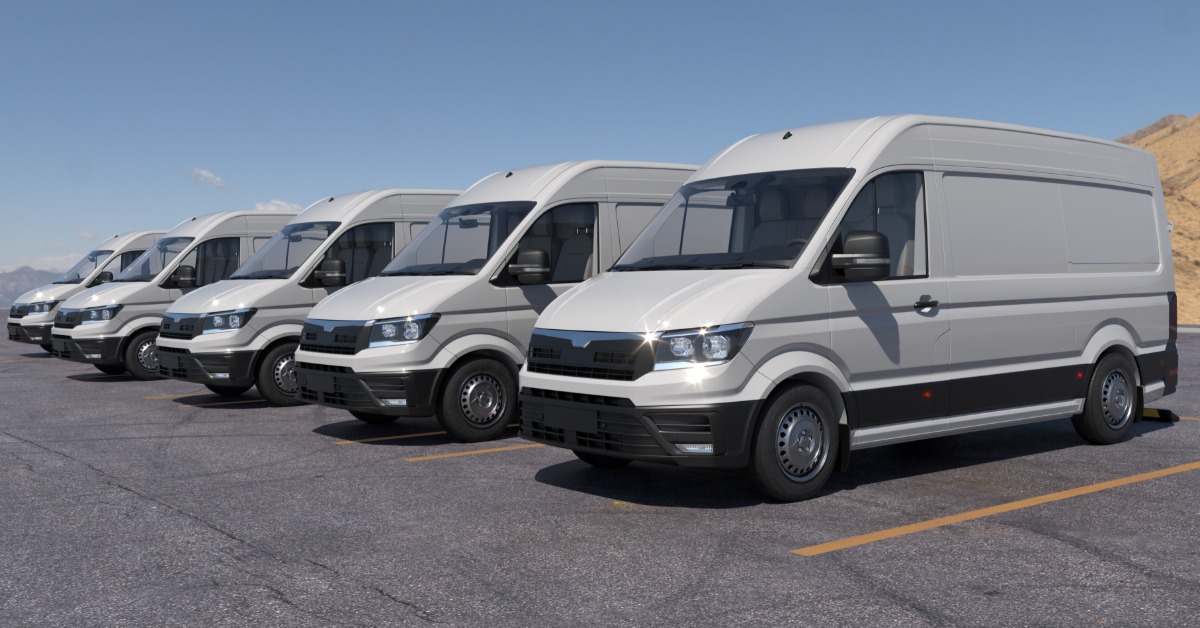
Not every commercial vehicle receives the same insurance treatment. A compact sedan used for client visits presents different risks than a heavy-duty dump truck or cargo van. Insurance providers evaluate vehicle size, weight, cargo capacity, repair costs, and intended use before calculating premiums. These differences explain why adding one vehicle may cost significantly more than another.
Specialized equipment also affects insurance decisions. Vehicles equipped with lifts, refrigeration units, towing equipment, or expensive custom modifications often require additional coverage considerations. These features increase replacement values and may introduce additional liability exposures. Discussing these details with your insurance advisor ensures proper protection from the beginning.
Driver Qualifications Matter
Insurance companies evaluate more than the vehicles themselves because drivers significantly influence risk. Every person who operates a company vehicle contributes to the overall safety profile of the fleet. Driving history, license status, years of experience, and previous claims all affect underwriting decisions. Companies with strong driver records often qualify for more favorable pricing.
Many businesses establish internal driver qualification programs before assigning company vehicles. These programs include license verification, safety training, and regular driving record reviews. Ongoing education reinforces safe driving habits while reducing preventable accidents. A proactive approach demonstrates responsible fleet management to insurance carriers.
Understanding Premium Adjustments
Many business owners expect insurance premiums to increase after adding vehicles, but the exact adjustment depends on several factors. Vehicle value, usage, driver history, industry type, and selected coverage limits all contribute to pricing. Fleet size may also influence available discounts depending on the insurance carrier. Every business receives a customized evaluation rather than a standard rate increase.
Some companies discover that expanding their fleet actually improves pricing efficiency. Larger fleets sometimes qualify for volume discounts or specialized commercial programs unavailable to smaller businesses. These savings vary by carrier, so comparing multiple insurance options remains important. An experienced insurance agency can evaluate several providers to identify competitive rates.
Timing Makes a Difference
Adding vehicles promptly protects your investment from the moment operations begin. Waiting too long to update your policy creates unnecessary financial risk if an accident occurs before coverage takes effect. Contacting your insurance provider immediately after purchasing or leasing a vehicle keeps your fleet protected without interruption. Early communication also allows time to gather any required documentation.
Some businesses schedule vehicle purchases around policy renewal dates for administrative convenience. Others need immediate coverage because new vehicles enter service quickly. Your insurance agency can explain how endorsements and policy updates work throughout the policy period. Understanding the timeline prevents confusion during future fleet expansions.
Coverage Options Worth Reviewing
Adding vehicles presents an excellent opportunity to review your overall commercial auto coverage. Business operations often change over time, and your insurance should reflect those changes. A policy that met your needs several years ago may no longer provide adequate protection today. Reviewing your options ensures your growing fleet receives comprehensive coverage.
Ask your insurance professional about liability coverage, collision protection, comprehensive coverage, uninsured motorist protection, medical payments, rental reimbursement, roadside assistance, and cargo-related endorsements if applicable. Some businesses also benefit from hired and non-owned auto coverage depending on employee vehicle use. Every operation faces unique risks that deserve careful evaluation.
This also serves as an ideal time to discuss work vehicle insurance if your business relies on employees operating company-owned automobiles every day. Matching coverage to your current operations reduces exposure while supporting business continuity. A personalized insurance review creates confidence as your company continues to expand.
Special Considerations for Drivers Requiring SR22 or FR44
Some commercial drivers face additional licensing requirements after serious traffic violations. States often require SR22 certifications following DUI convictions, reckless driving incidents, suspended licenses, or repeated insurance violations. Businesses employing these drivers should understand how these requirements affect commercial insurance policies. Working with an experienced insurance provider simplifies the process.
Serenity Insurance helps businesses obtain affordable commercial auto coverage while pairing SR22 filings with qualifying commercial vehicle policies. Many insurance companies refuse to combine these services, creating unnecessary obstacles for business owners. Serenity Insurance works to provide practical solutions that keep qualified drivers legally operating commercial vehicles. A personalized approach helps businesses remain productive despite licensing challenges.
Partner With an Insurance Agency That Understands Business Growth
Serenity Insurance compares rates from leading insurance companies in real time to help businesses find affordable commercial auto insurance solutions. Our team understands the challenges business owners face when adding vehicles to a fleet policy. Whether you need coverage for new vehicles, assistance with SR22 filings, or guidance regarding FR44 requirements, Serenity Insurance offers dependable support throughout the process. As your business continues to expand, the right insurance partner can protect every mile ahead with confidence.
Recent Comments