
Cruiser vs. Sport Bike Insurance: Which Costs Less?

Finding a motorcycle that you love is exciting, but discovering what it costs to insure might change your plans. You could find two bikes within your budget and still face very different insurance premiums once you request quotes. Comparing cruiser versus sport bike insurance can help you figure out which option offers a lower cost without compromising the coverage you need. However, the type of motorcycle you choose doesn’t tell the whole story, so it’s worth looking beyond the initial price difference.
Why Motorcycle Type Affects Premiums
The motorcycle you ride influences your premium because insurers assess the risks associated with different models. A high-performance sport bike may carry higher premiums because insurers consider its acceleration capabilities and potential claim costs. Cruisers generally prioritize comfort over aggressive performance, which may help keep their insurance premiums lower.
Still, motorcycle categories don’t guarantee a particular price. You might receive a higher quote for a premium cruiser than for an entry-level sport bike, especially when you’re insuring the motorcycle against damage. Your insurer also considers your personal driving record, so two people riding identical motorcycles may receive very different quotes.
Compare the Bikes Themselves
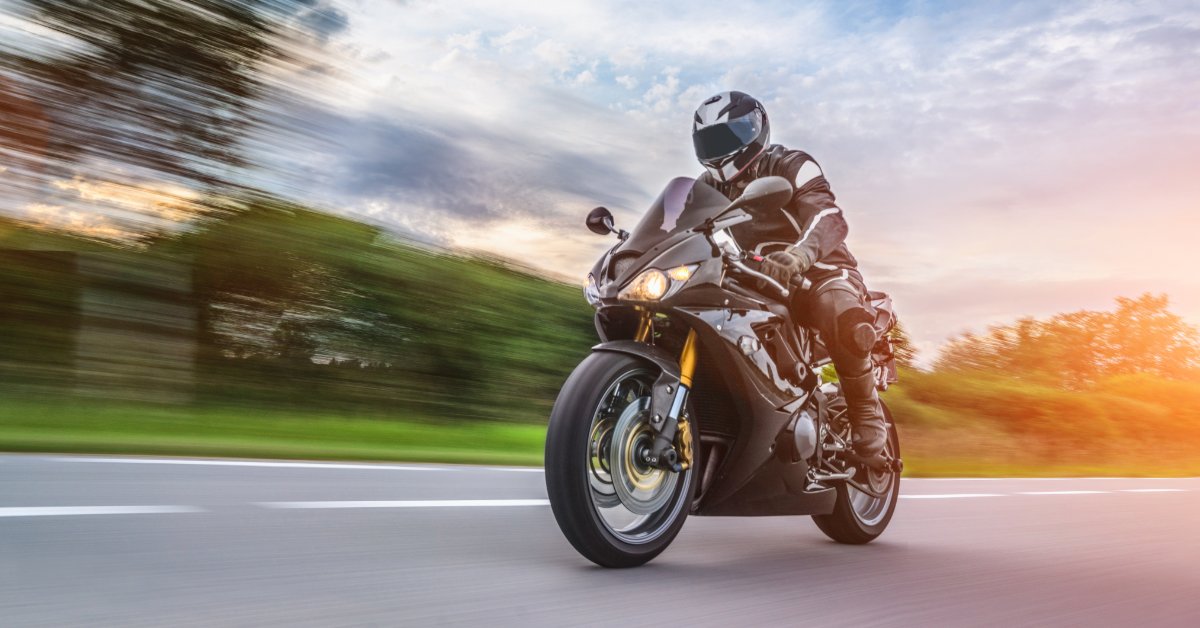
As you shop for motorcycles, consider the features that could affect your insurance premium to avoid unexpected costs after buying one. Rather than focusing exclusively on the manufacturer’s classification, consider the specific model and its features. Comparing quotes can help you see what each motorcycle might cost to insure.
Pay attention to these differences when evaluating motorcycles:
- Engine performance: Check if the motorcycle’s horsepower affects the rate your insurer offers
- Replacement value: More expensive motorcycles can cost more to insure against physical damage
- Repair expenses: Specialized components may increase the cost of covered repairs
- Theft exposure: Models with greater theft risk may carry higher comprehensive premiums
- Safety equipment: Certain protective technologies may qualify for discounts, depending on your insurer
Your Riding History Counts
The motorcycle you choose is only part of the pricing equation. When you request a quote, your insurer will also review your driving history to evaluate your eligibility and determine your rate. A previous violation may affect your options, so choosing a cruiser won’t necessarily offset the additional cost associated with your record.
Although a cruiser might receive a more favorable rating than a high-performance sport bike, your driving record could still raise the overall premium. That’s why it’s worth checking rates for the motorcycles you’re considering rather than assuming one style will always be cheaper.
DUI Violations and Coverage
Insurers may consider a DUI conviction when evaluating your application, and some may decline coverage based on their underwriting guidelines. Consequently, getting motorcycle insurance after a DUI may involve looking for insurers that offer coverage to riders with violations on their records. You should also confirm any state-imposed financial responsibility requirements because motorcycle coverage doesn’t automatically satisfy every SR22 obligation.
Consider Your Coverage Choices
When reviewing motorcycle insurance quotes, you’ll want to look beyond the premium to see what protection you’re purchasing. A cheaper policy may leave you responsible for certain expenses that a more comprehensive option would cover. Comparing policies with similar coverage gives you a better sense of the price difference between insuring a cruiser and a sport bike.
If you finance your motorcycle, your lender may require physical damage coverage throughout the loan. If you’re the owner, you’ll generally have more flexibility when choosing these protections. Consider what you could afford to repair or replace yourself rather than dropping coverage solely to reduce your bill.
Liability Versus Physical Damage
Liability insurance generally doesn’t pay for damage to your bike Collision coverage addresses that gap by helping pay for repairs after a covered crash, although you’ll typically need to pay your deductible first. Comprehensive coverage protects against certain non-collision losses, such as theft or weather-related damage, but exclusions and deductibles may still apply. Neither collision nor comprehensive coverage automatically pays the full cost of replacing your motorcycle, so it’s important to understand your policy’s limits and settlement terms.
Account for Riding Habits
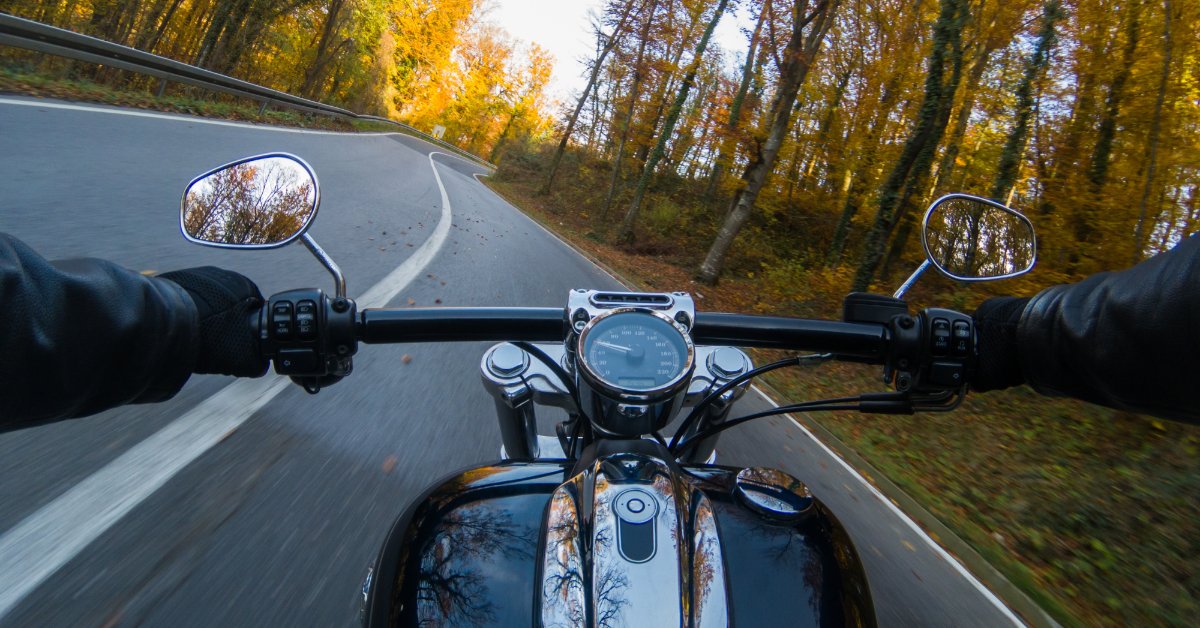
The way you use your motorcycle can affect the coverage you need and potentially what you pay. If you ride your motorcycle to work every day, your annual mileage may be higher than that of someone who rides only on weekends. Insurers may ask about annual mileage or usage when preparing your quote, although their rating methods vary.
A cruiser that you ride every day won’t necessarily cost less to insure than a sport bike that spends much of the year in storage. When requesting a quote, be accurate about your riding habits. That way, your insurer can evaluate your actual usage rather than relying on assumptions about your riding habits.
Find Ways To Reduce Premiums
You may be able to reduce your insurance costs without switching motorcycles. Depending on your insurer, you may qualify for discounts or find opportunities to adjust your policy without giving up coverage you need. Just remember to weigh any potential savings against the expenses you might face after a claim.
Some options worth discussing with your insurer include:
- Rider training: Ask if completing an approved motorcycle safety course qualifies you for a discount
- Higher deductibles: Compare potential savings against the amount you’d pay after a covered claim
- Security measures: Check if approved anti-theft equipment qualifies for reduced rates
- Payment arrangements: Review available payment options and any associated installment fees
- Coverage adjustments: Revisit optional protections while maintaining coverage that meets your obligations
Compare Quotes Before Buying
Once you’ve narrowed down your motorcycle choices, get insurance quotes for each model you’re considering. Keep your liability limits and deductibles consistent across quotes so you can make a fair price comparison. Otherwise, a cheaper quote might simply provide less protection.
Look at the actual quoted premium rather than relying on advertised starting rates. Disclose any driving violations accurately so the insurer can evaluate your eligibility. Additionally, ask about any filing requirements that may apply to your situation, particularly if you’re working toward restoring your driving privileges.
A cruiser may cost less to insure than a comparable sport bike, but the better deal ultimately depends on your motorcycle and personal circumstances. If you’re navigating insurance requirements after a DUI, Serenity Group can help you explore our affordable coverage options. Contact Serenity Group to find out what choice may be right for you.
Recent Comments