
Why RV Insurance Differs From Auto Insurance
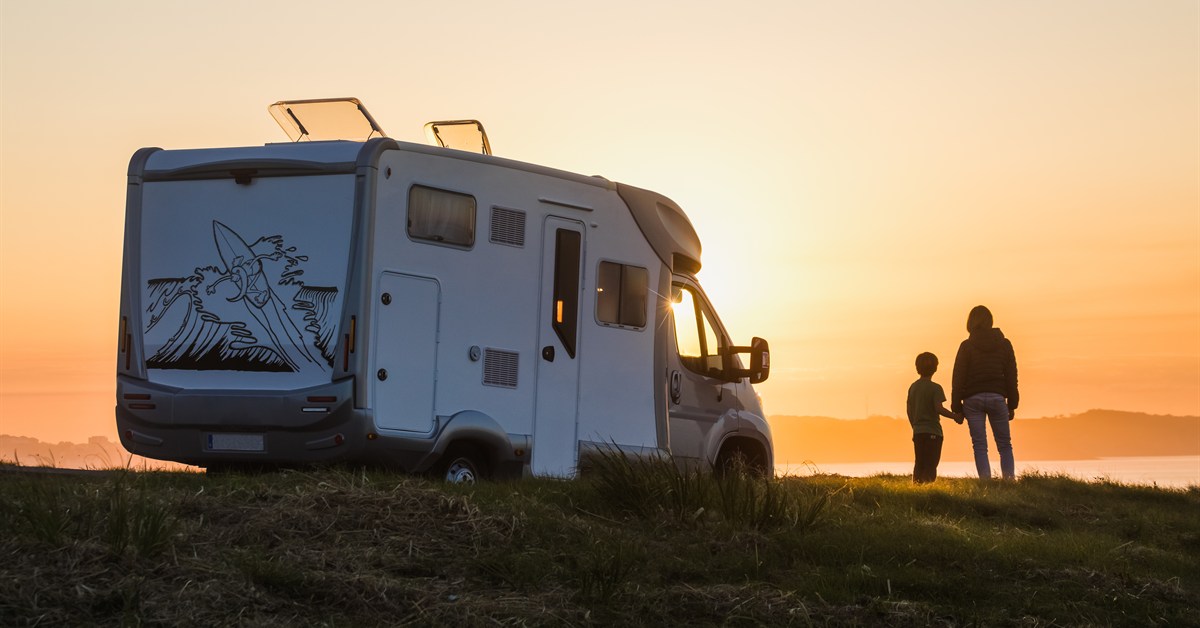
Owning an RV introduces opportunities to travel without leaving all the comforts of home behind. However, protecting that vehicle isn’t quite the same as covering the car you drive every day. Learning why RV insurance differs from auto insurance can help you recognize coverage gaps that might otherwise go unnoticed. The biggest differences become clearer when you consider what happens inside your RV after you’ve parked it for the day.
Your RV Serves Two Purposes
You probably use your car mainly to get somewhere, but an RV gives you a place to spend time after you arrive. You might spend a weekend camping in it or live in it full-time. Consequently, you need to think about potential losses that have little to do with driving. A standard car policy generally focuses on risks associated with owning and operating a vehicle.
RV coverage can address situations that arise when you’re using the vehicle as temporary living space. Depending on your policy, you may have protection against certain incidents that occur while you’re parked at a campground. That distinction becomes particularly useful when you spend extended periods away from home. However, you should review your coverage rather than assume every incident at your campsite qualifies for reimbursement.
Different RVs Need Different Coverage
The kind of RV you own affects the insurance protection you’ll need. A motorhome has its own engine, while a travel trailer depends on another vehicle for transportation. Because of that difference, insurers approach liability coverage differently for each type. Your existing car policy may extend certain protections while you’re towing, but you’ll need to check whether damage to your camper falls within that coverage.
Here are some important distinctions to consider:
- Motorhomes: You generally need liability insurance to drive legally on public roads
- Travel trailers: Your towing vehicle’s liability policy may cover qualifying accidents you cause while towing
- Fifth-wheel campers: You’ll generally need separate coverage to help pay for repairs following a covered accident or other qualifying damage
- Pop-up campers: Ask about protection against losses that could occur while your RV sits unused between trips
- Financed RVs: Your lender may expect you to carry additional protection against accidents or other damage until you’ve paid off your loan
Towing Doesn’t Cover Everything
When you’re towing a travel trailer, your vehicle’s liability coverage may extend to certain accidents involving it. However, that protection generally doesn’t cover repairs to the camper itself. RV trailer insurance can provide physical damage protection when your trailer suffers a covered loss. Check both policies to understand where your towing coverage ends and your camper’s protection begins.
Personal Belongings Need Attention
Think about what you usually leave inside your car compared with what you pack for an RV trip. You may bring clothing and electronics that stay in the vehicle throughout your vacation. If someone steals those belongings, your RV’s physical damage coverage doesn’t automatically pay to replace them. You may need personal effects coverage to protect property you keep inside.
Your homeowners or renters insurance might provide some coverage for belongings away from your primary residence. However, those policies can have limits or exclusions that affect your reimbursement. Therefore, check what protection you already have before purchasing additional coverage. You can then choose limits that better reflect the value of the possessions you regularly bring along.
Built-In Features Need Protection
Your RV may have an awning that extends over your campsite, creating another potential source of repair expenses. A strong storm could damage it while you’re parked, leaving you with a replacement bill. Comprehensive coverage may address that loss, depending on the circumstances and your policy terms. Ask your insurer which permanently attached features qualify for protection and whether special limits apply.
Parked RVs Present Different Risks
When you park your RV at a campground, you may spend time outside or invite other campers to your site. If someone gets injured and you’re legally responsible, your standard vehicle liability coverage may not apply. Vacation liability coverage can help protect you against certain claims involving injuries or property damage during recreational use.
This distinction helps explain why RV insurance differs from auto insurance. While standard vehicle liability coverage generally addresses driving-related accidents, vacation liability coverage can protect you against certain risks at your campsite. Ask your insurer about this additional protection and any limitations that may apply.
Your Travel Habits Affect Coverage
Your insurance needs may change depending on the amount of time you spend living in your RV. Someone who travels for a few weekends each year has different circumstances than someone who lives in a motorhome year-round. Insurers may offer specialized options based on that distinction. Therefore, you should accurately describe your intended use when requesting coverage.
Consider these situations when discussing your policy:
- Occasional vacations: Ask about recreational coverage for the periods you spend camping
- Full-time living: Discuss residential liability protection intended for permanent RV occupants
- Seasonal storage: Check which protections remain active while your RV isn’t in use
- Extended road trips: Review emergency expense coverage for qualifying disruptions away from home
- Renting out your RV: Tell your insurer about rental plans because personal coverage may exclude that use
Repair Costs Deserve Closer Attention
An RV can require specialized repair work that differs from what a typical auto repair shop handles. Depending on the damage, you might need a facility equipped to repair the vehicle’s living quarters. Finding an appropriate repair provider can become particularly challenging when you’re traveling far from home. As a result, you should consider what expenses your policy covers if an unexpected loss interrupts your trip.
Some RV policies offer emergency expense coverage that may help pay for temporary lodging after a qualifying incident. However, coverage generally depends on specific conditions, including the reason your vehicle becomes unusable. Review those conditions along with your deductible so you know what expenses remain your responsibility. You’ll have a clearer picture of the protection you’re purchasing rather than discovering its limitations during a claim.
Choosing the right RV coverage means looking beyond the time you spend behind the wheel. Think about the way you travel and the protection you may need while staying at a campground or storing your RV between trips. Serenity Group can help you explore insurance options that suit your circumstances. Contact our team to discuss your coverage needs and find an option that works for you.
Recent Comments