
Shared Mobility Trends and Non-Owner Coverage
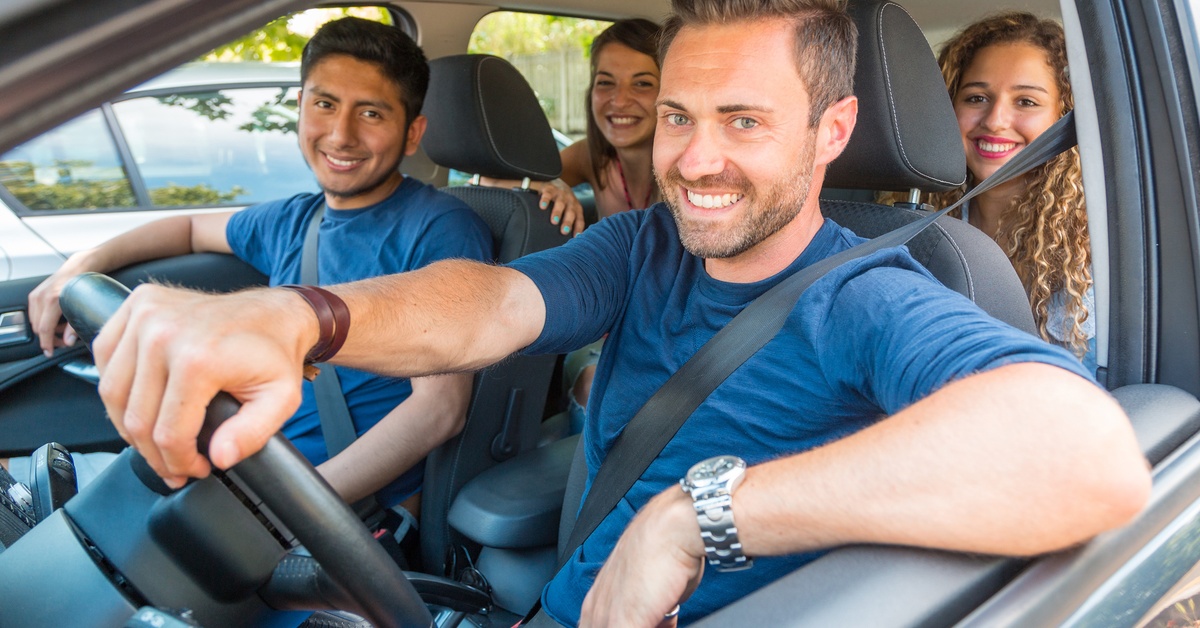
As transportation habits have changed considerably during the past several years, drivers are seeking new ways to access the mobility they need. These changes have influenced the insurance market and created increased demand for coverage designed for people who do not own a car.
Understanding these developments can help drivers make better-informed decisions. Read on to learn about shared mobility trends, including the increase in purchases of non-owner coverage. These are important topics for anyone who requires SR22 or FR44 insurance.
Shared Mobility Trends
Changes in technology, consumer preferences, and economic conditions have transformed the way many people access transportation. These developments have increased interest in flexible transportation options.
The Decrease in Car Ownership
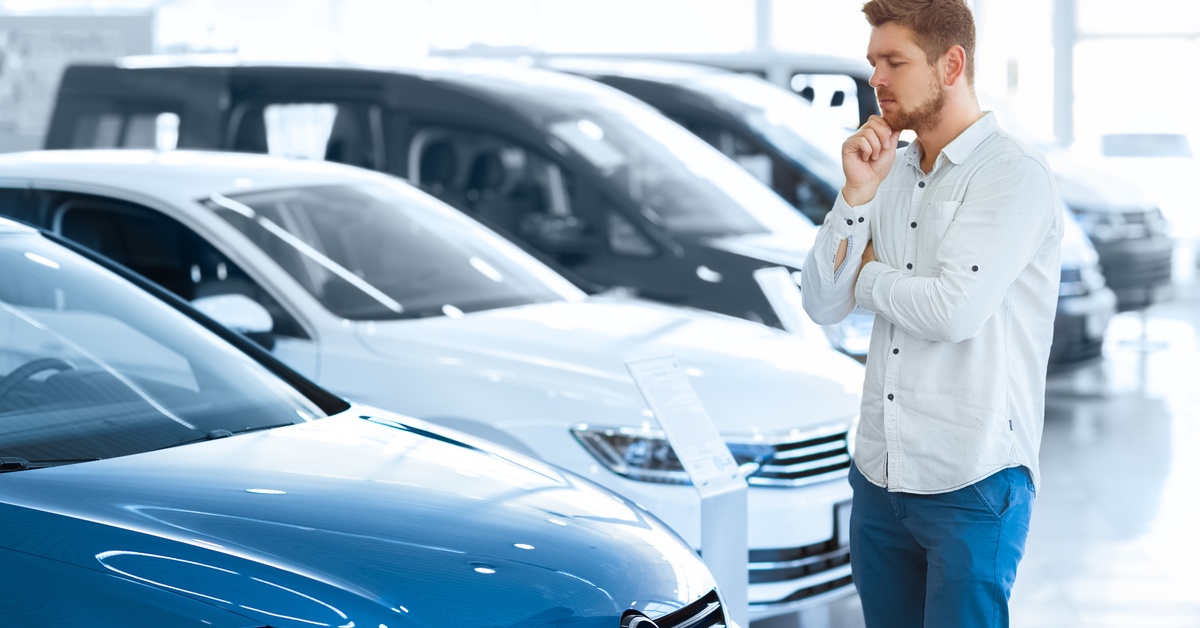
Many consumers have reconsidered the financial commitment associated with vehicle ownership. Rising purchase prices, maintenance expenses, parking costs, and fuel expenses have encouraged some individuals to delay or avoid buying a vehicle. Younger adults in particular have shown interest in transportation arrangements that offer greater flexibility.
Lifestyle preferences have also contributed to changes in attitudes toward car ownership. Some people value the convenience of accessing transportation only when they need it rather than taking on the long-term responsibilities of owning a vehicle. This approach allows them to adapt their transportation choices to their schedules, budgets, and living situations.
Urban residents frequently find that public transportation and vehicle-sharing options reduce the need for personal ownership. Instead of shouldering vehicle maintenance responsibilities, they can access transportation when necessary. This shift has created a larger population of drivers who still need insurance even though they do not own a car.
More People Are Sharing Vehicles
Vehicle sharing has also become increasingly common among friends, family members, and households. Many people borrow vehicles for errands or occasional trips rather than purchasing a separate automobile. These arrangements allow drivers to access transportation while avoiding many ownership expenses.
However, shared mobility extends beyond informal borrowing arrangements. Car-sharing platforms, rideshare services, and short-term rental programs have expanded in many communities, giving consumers additional transportation choices through convenient mobile applications. As more people drive vehicles they do not own or rely on app-based transportation, interest in non-owner insurance continues to grow.
Mobile technology has also made it easier for consumers to switch between transportation methods based on their daily needs. Some individuals use public transit during the week, arrange rides through an app when necessary, and borrow or rent vehicles for specific occasions. These changing habits have increased awareness of insurance solutions that cover drivers who do not own a car.
Purchases of Non-Owner Insurance Are Increasing
The growth of shared mobility has also increased awareness of non-owner coverage. This liability coverage meets the needs of drivers who do not own a vehicle but still drive occasionally. Rather than covering a specific car, the policy follows the driver when operating a borrowed vehicle or, in some cases, a rental vehicle, depending on the policy terms and insurer guidelines.
Drivers who rely on borrowed vehicles recognize the value of carrying liability protection that follows them when they operate someone else’s automobile. This coverage can provide an important layer of financial protection in the event of an accident.
People Who Purchase Non-Owner Insurance
Non-owner car insurance serves a wide range of drivers. While each person’s situation differs, several groups frequently purchase this type of policy.
Drivers With Traffic Violations
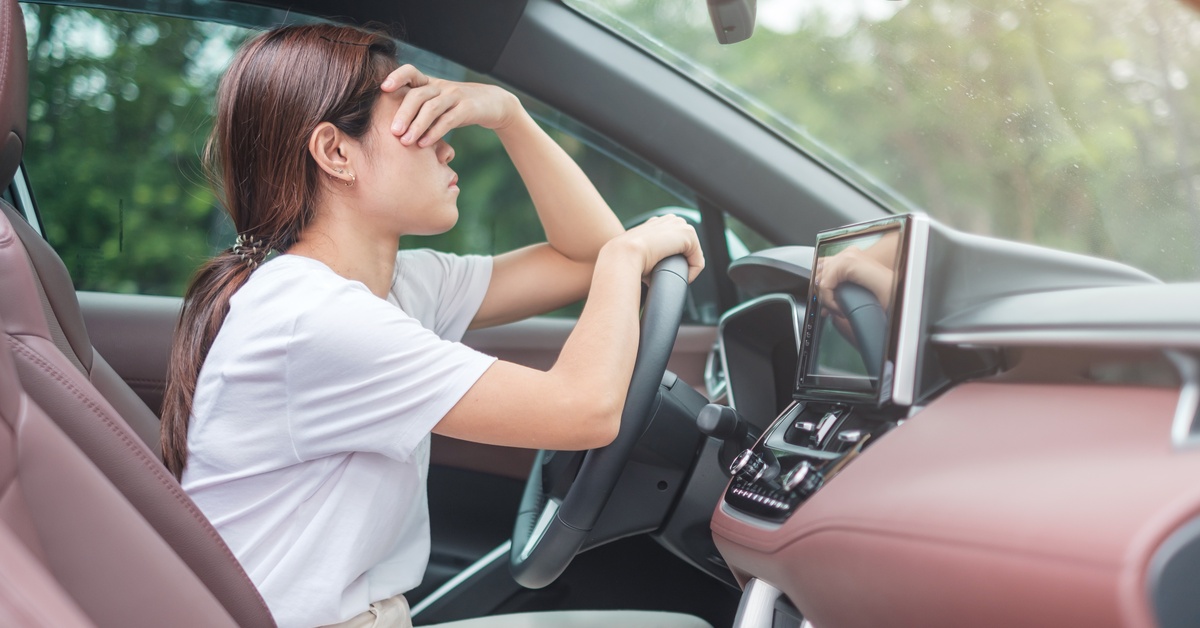
Many drivers purchase non-owner insurance after traffic violations that result in an SR22 or FR44 filing requirement. A suspended license, serious moving violation, or driving offense can create legal obligations that require continuous insurance coverage. Drivers can pair their non-owner insurance policies with their filings to maintain legal driving privileges.
Maintaining coverage helps them comply with state requirements and work toward restoring normal driving privileges. For many people, non-owner insurance serves as a practical solution during this period.
Drivers Who Frequently Borrow Vehicles
Some individuals regularly use vehicles owned by relatives or friends. They may not drive every day, but they still need access to transportation for work and personal responsibilities. Non-owner insurance can provide liability protection when these drivers operate borrowed automobiles.
Without coverage, a driver may face financial exposure after causing an accident. Although the vehicle owner’s policy may provide some protection, liability claims can exceed available limits. Carrying a non-owner policy may help address those concerns.
Drivers Between Vehicle Purchases
Many people experience periods when they sell one vehicle before purchasing another. During this transition, they may continue driving borrowed vehicles as they decide which automobile to buy next. Non-owner insurance allows them to maintain coverage during that period.
Maintaining continuous insurance coverage can also help drivers avoid interruptions in their insurance history. A lapse in coverage may create challenges when purchasing a future policy. Non-owner insurance provides a way to maintain protection until vehicle ownership resumes.
Drivers Who Rent Vehicles Frequently
Some individuals rely on rental vehicles for business trips or vacations. Purchasing rental company coverage every time they rent a vehicle can become expensive over time. Non-owner insurance may provide liability protection when operating rental cars, depending on the policy terms.
Frequent renters appreciate the convenience of maintaining a single policy rather than evaluating insurance options during every rental transaction. This approach can simplify travel planning and reduce uncertainty. Reviewing policy details remains important because coverage varies among insurers.
Drivers Living in Urban Areas
Residents of densely populated cities may choose alternatives to vehicle ownership because public transportation meets many of their daily needs. Trains, buses, and walking can reduce reliance on personal vehicles. Even so, these individuals may occasionally need to drive.
When opportunities to borrow or rent vehicles arise, non-owner insurance can provide liability coverage. This arrangement allows drivers to maintain protection without carrying the costs associated with vehicle ownership. Urban living continues to support demand for these policies.
Now you can understand how shared mobility trends have affected the automotive industry and how non-owner insurance can provide a viable option for those who no longer own a vehicle but still occasionally drive. This can be especially useful if you must fulfill an SR22 or FR44 obligation and want to get legally behind the wheel again.
If you are looking for non-owner car insurance that can help you avoid issues with the law and meet your lifestyle needs, contact Serenity Group today. Our experienced associates have helped many clients find the right coverage, and can do the same for you.
Recent Comments