
How Accidents Affect Premiums for Commercial Autos

Companies that rely on work vehicles face unique insurance challenges, especially when employees have past driving violations. However, things can become even more complicated when these vehicles get into crashes. Read on to learn how accidents affect premiums for commercial autos so you can learn how to manage your costs while keeping your drivers legally insured.
How Crashes Change the Cost of Your Coverage
When a commercial vehicle becomes involved in a crash, the insurer reviews the event to determine its severity, cost, and cause. The insurer then reassesses the level of risk attached to the driver and the business that operates the vehicle. This reassessment often results in higher premiums during the next policy term.
However, insurance companies will evaluate several aspects of the accident before adjusting a premium. They will look at whether the driver caused the crash, the extent of the damage, and whether anyone sustained injuries. A minor incident that caused little damage may lead to a smaller increase. A serious accident that results in expensive claims usually leads to a more noticeable increase in premiums.
The frequency of accidents also matters. One isolated crash may not affect a commercial auto policy as much as repeated incidents over a short period. When multiple accidents occur, insurers begin to see a pattern that suggests greater ongoing risk. A business with several claims in a short window often faces much higher insurance costs.
Companies should also understand that accidents influence more than the price of coverage. A poor claims history can limit the number of insurers willing to write a commercial auto policy. When fewer companies compete for the business, the available coverage options shrink, and prices may rise further. Maintaining safe driving practices remains one of the most reliable ways to control long-term insurance costs.
Other Factors That Affect Commercial Auto Premiums
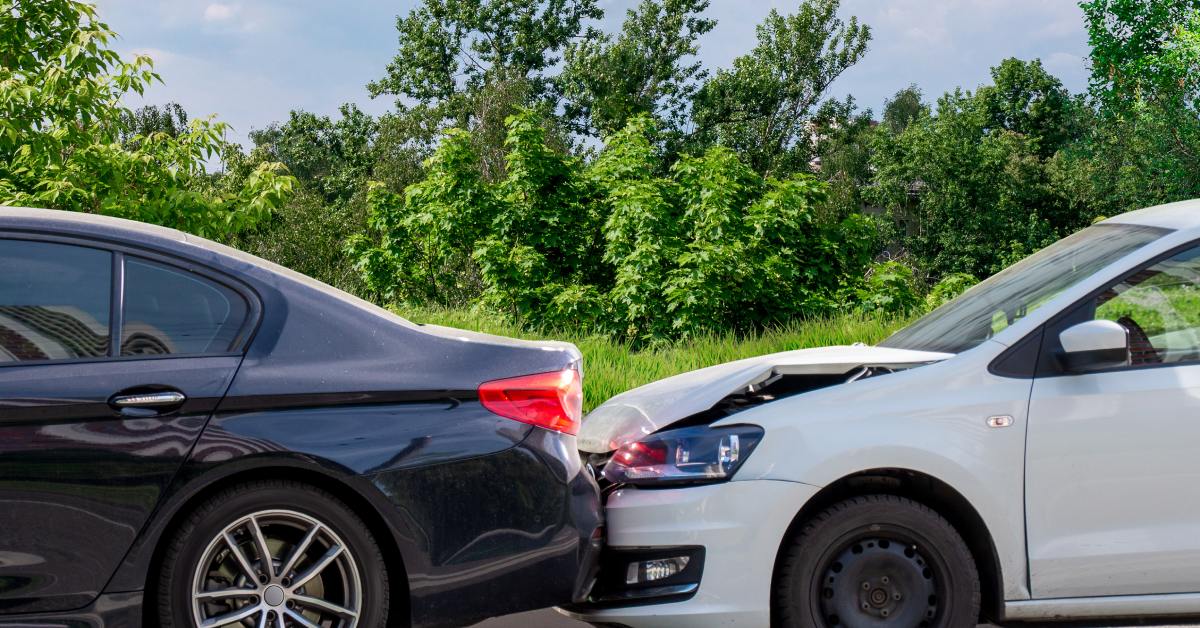
Although you now know how accidents affect premiums for commercial auto insurance, it’s important to be aware that they do not act alone. Insurers evaluate many other factors when determining the cost of a commercial auto policy.
The Driver’s Record
A driver’s record often carries the strongest influence on work vehicle insurance. Insurers study past violations, suspensions, and license restrictions to measure the likelihood of future claims. Drivers who accumulate speeding tickets, reckless driving charges, or DUI convictions appear more likely to cause accidents. When those violations occur, the insurer often increases the premium.
SR22 requirements usually follow serious driving offenses, such as DUIs or license suspensions. When an SR22 driver joins a commercial fleet, insurers examine that person’s driving history very carefully.
The company may still obtain coverage, but the policy may cost more because of the increased risk profile. A strong safety program and careful driver supervision can help offset some of these costs over time.
Type of Vehicles

The types of vehicles you use in your work can also affect insurance pricing. Large trucks, specialized equipment vehicles, and cargo vans usually cost more to insure than smaller passenger vehicles. These larger vehicles create greater damage potential during a crash and often carry expensive equipment or cargo.
Repair costs also influence pricing. Vehicles that require specialized parts or expensive repairs increase the insurer’s potential claim costs. If a crash damages those vehicles, the insurer must pay higher repair bills. As a result, premiums rise to reflect the higher financial exposure.
Businesses that maintain modern vehicles with strong safety features may experience lower costs. Features such as collision warning systems, lane monitoring technology, and automatic braking systems reduce the likelihood of accidents. When insurers see these safety improvements, they may view the fleet as less risky to insure.
How You Use the Vehicles
The way employees use commercial vehicles can also significantly affect insurance premiums. Insurers analyze whether drivers operate vehicles locally, regionally, or across long interstate routes. Longer travel distances create more opportunities for accidents and increased exposure to unpredictable road conditions.
Delivery schedules also matter. Businesses that require drivers to travel during peak traffic hours often face higher risk levels than companies that operate during quieter periods. Congested roads increase the chance of collisions, which raises the insurer’s expected claim probability.
The type of cargo or work activity can also affect pricing. Vehicles that transport hazardous materials or expensive goods pose greater financial risks in the event of an accident. Insurers adjust premiums to reflect the potential cost of these claims.
Company Size and Fleet Scale
The number of vehicles that a company has can also influence commercial auto insurance premiums. Businesses with larger fleets often create more exposure simply because more vehicles operate on the road each day. When insurers see more vehicles and drivers, they recognize a greater likelihood that an accident may occur at some point during the policy period. This expanded exposure can lead insurers to adjust premiums to reflect the broader risk.
However, larger companies sometimes benefit from more structured safety programs and fleet management systems. Businesses that track driver behavior, enforce training requirements, and maintain consistent safety standards may demonstrate stronger risk control. When insurers see clear safety oversight within a larger organization, they may balance the increased exposure with the company’s demonstrated commitment to responsible fleet management.
Company size can also affect how insurers structure coverage options. A small business with only one or two vehicles may receive a standard commercial auto policy with limited customization. A larger company operating several vehicles may qualify for broader fleet coverage that reflects its operational needs. These policy differences influence pricing because insurers evaluate both the number of vehicles and the company’s overall risk management approach.
Location and Operating Territory
Where a business operates can also influence insurance costs. Urban areas often produce higher premiums because traffic congestion increases the chance of accidents. Cities also experience higher rates of theft, vandalism, and other vehicle-related claims.
Rural areas sometimes have lower accident rates, but they also pose other risks. Long travel distances and higher driving speeds may increase the severity of crashes when they occur. Insurers weigh these regional differences when they calculate premiums.
State regulations also affect pricing. Some states require additional filings or impose stricter insurance requirements for certain violations. Businesses that employ drivers with SR22 obligations must comply with those state rules while maintaining active coverage for their commercial vehicles.
Now you know how accidents can trigger immediate price increases. Businesses that understand these influences can manage fleets more effectively and reduce long-term insurance costs.
If your company needs reliable work vehicle insurance, reach out to Serenity Group today. We can help you explore various coverage options for businesses with high-risk drivers so you can feel less of a hurt in your budget.
Recent Comments