
How Road Rage Can Affect Car Insurance Rates

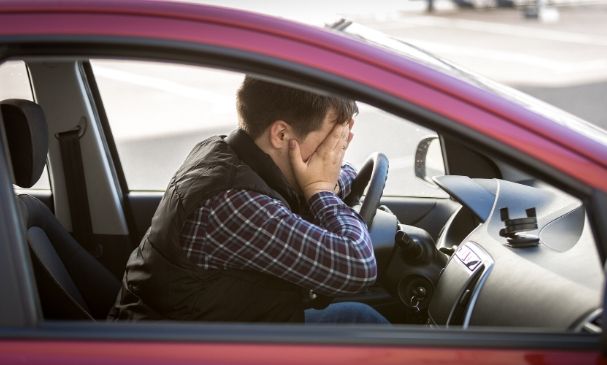
Road rage is an all too common behavior behind the wheel. Everyone gets aggravated from time to time, especially when they’re driving during rush hour, through a major traffic jam, or in other stressful conditions. However, while a bad mood or surly demeanor might seem like a harmless, temporary thing, it can actually hold a lot of consequences for you and your driving career. Even though road rage itself isn’t a crime, the reckless driving that ensues is. When you experience road rage, you’re more likely to drive aggressively, breaking the basic rules of the road and putting you and any nearby drivers or passengers in danger. The violations and accidents that result from road rage and reckless driving also impact your car insurance rates. To help you learn more, here is our guide to how road rage can affect car insurance rates.
Legal Consequences
Let’s say you need to be somewhere quickly, but traffic is heavy and the people in front of you are slow. You’re a decent driver—surely an illegal pass just this once won’t do any harm. Impatience and irritability on the road often lead to breaking even the most basic of traffic rules. Even though this may seem harmless in the moment, the truth is that you never know how dangerous this type of behavior can be until something bad happens. Even if you don’t do any damage the first time, this kind of behavior leads to a habit of reckless driving. This, in turn, increases the probability of you getting a ticket or hurting other drivers, both of which affect your car insurance rates.
Tickets
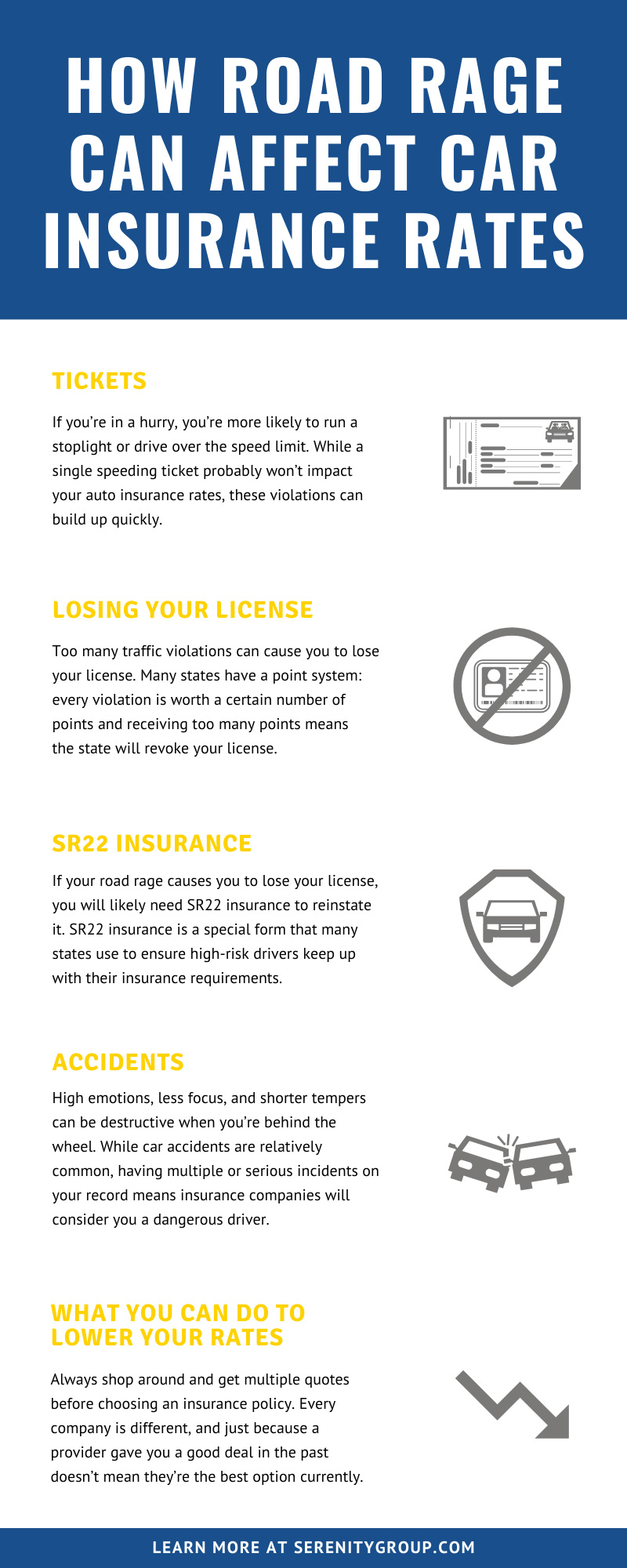
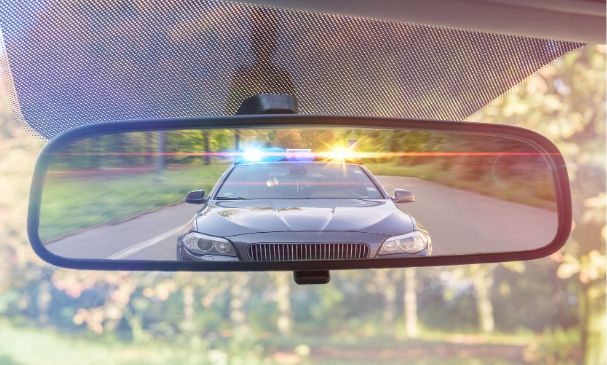
As stated above, road rage and reckless driving often lead to breaking the rules of the road. If you’re frustrated or in a hurry, you’re more likely to run a stoplight, drive over the speed limit, or cut off another driver. These and other traffic violations lead to police officers pulling you over and giving you a ticket. While a single speeding ticket probably won’t impact your auto insurance rates, these violations can build up quickly. Too many tickets can even lead to the state suspending your license. These consequences can stay on your driving record for years, informing auto insurance companies about your history of reckless driving.
Aggressive Driving
When road rage leads to traffic violations, insurance companies begin to classify you as a high-risk driver. This means that you’re seen as more likely to commit traffic violations, get into accidents, or display other dangerous behaviors that can cost the company money. Some insurance providers won’t insure high-risk drivers, while others have exclusions on their policies and won’t offer certain options for your plan. You might also have to pay more for your plan than individuals with a clean driving record. No matter what, as a high-risk driver, you’re going to have a harder time finding an auto insurance policy that works for you.
Losing Your License
Even the most minor of violations can add up, and too many traffic violations can cause you to lose your license. Many states have a point system: every violation is worth a certain number of points and receiving too many points means the state will revoke your license. Minor moving violations like running a red light or speeding slightly will cost fewer points than major violations such as driving under the influence or attempting to flee the police. If you receive too many points—or lose your license any other way—the hassle doesn’t end when you reinstate it and regain your driving rights. Your state or DMV might require you to take certain driving courses or pay an extra fine. Your suspended license will also go on your driving record, which means insurance companies will know about it and likely label you as a more expensive high-risk driver.
SR22 Insurance
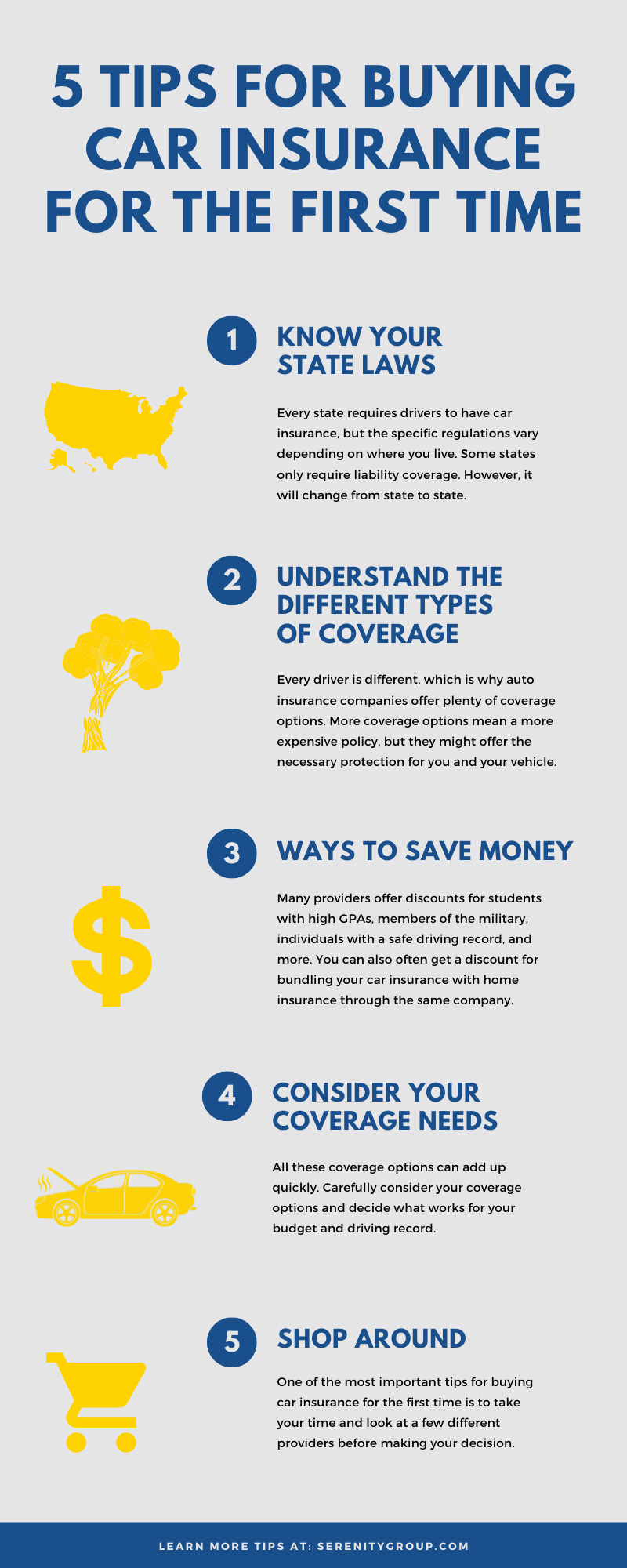
If your road rage causes you to lose your license, you will likely need SR22 insurance to reinstate it. Sometimes referred to as a certificate of financial responsibility, SR22 insurance is a special form that many states use to ensure high-risk drivers keep up with their insurance requirements. Insurance companies add SR22 insurance to your policy and make sure you meet the requirements every month. If you let your SR22 insurance lapse, the insurance company must contact your DMV, who will suspend your license once again. Some insurance companies don’t offer SR22 insurance, and the ones that do will likely charge you higher rates, which makes it harder to find a policy that works for you. Fortunately, Serenity Group can help you shop around for the best rates. If you’re looking for the cheapest SR22 insurance in California or anywhere else you drive, let Serenity Group find the best policy for you.
Accidents
In addition to legal consequences, road rage can also lead to dangerous accidents. High emotions, less focus, and shorter tempers can be destructive when you’re behind the wheel. While car accidents are relatively common, having multiple or serious incidents on your record means insurance companies will consider you a dangerous driver. Reckless or dangerous drivers are statistically more likely to get into more accidents, which means insurance companies are afraid you’ll cost them more money. To make up for this, they’ll likely charge you higher premiums if you have serious or multiple accidents on your record.
What You Can Do to Lower Your Rates
If your road rage—and any ensuing accidents or violations—causes your car insurance rates to go up, there are a few things you can do to counteract it. Always shop around and get multiple quotes before choosing an insurance policy. Every company is different, and just because a provider gave you a good deal in the past doesn’t mean they’re the best option currently. You should also be on the lookout for any discounts our insurance provider might offer, such as a good student, senior, or military discount. Perhaps most importantly, do your best to be a safe and responsible driver. Many violations leave your record over time. The better a driver you are, the better your insurance rates will be in the future.
What You Can Do to Avoid Road Rage
Now that you know how road rage can affect car insurance rates, you’re probably wondering how you can avoid these issues in the first place. Everyone gets annoyed or stressed occasionally, but you can’t let these emotions impact your driving. To keep yourself calm and relaxed behind the wheel, try listening to music, practice deep breathing techniques, and avoid driving when tired or stressed. If you know you’re prone to road rage, try to schedule your drives around heavy traffic times. You should also make a point of leaving extra space between yourself and the car in front of you.






Recent Comments