
Pros and Cons of Fleet Insurance vs. Individual Policies

Company owners need vehicle coverage that matches how their employees drive, how many vehicles they use, and what risks the business carries. However, choosing between fleet insurance and individual vehicle policies can be more complicated when some drivers need SR22 filings to regain or maintain their driving privileges.
A business owner may need to compare aspects such as cost, control, driver eligibility, and filing responsibilities before choosing one coverage path. This blog can help you by looking at the pros and cons of fleet insurance vs. individual policies.
The Pros of Fleet Insurance
If you don’t know how fleet insurance works, it gives business owners a way to manage coverage for multiple company vehicles under one broader policy structure. This approach can provide many benefits that may make it worthwhile for your firm.
Easier Vehicle Management
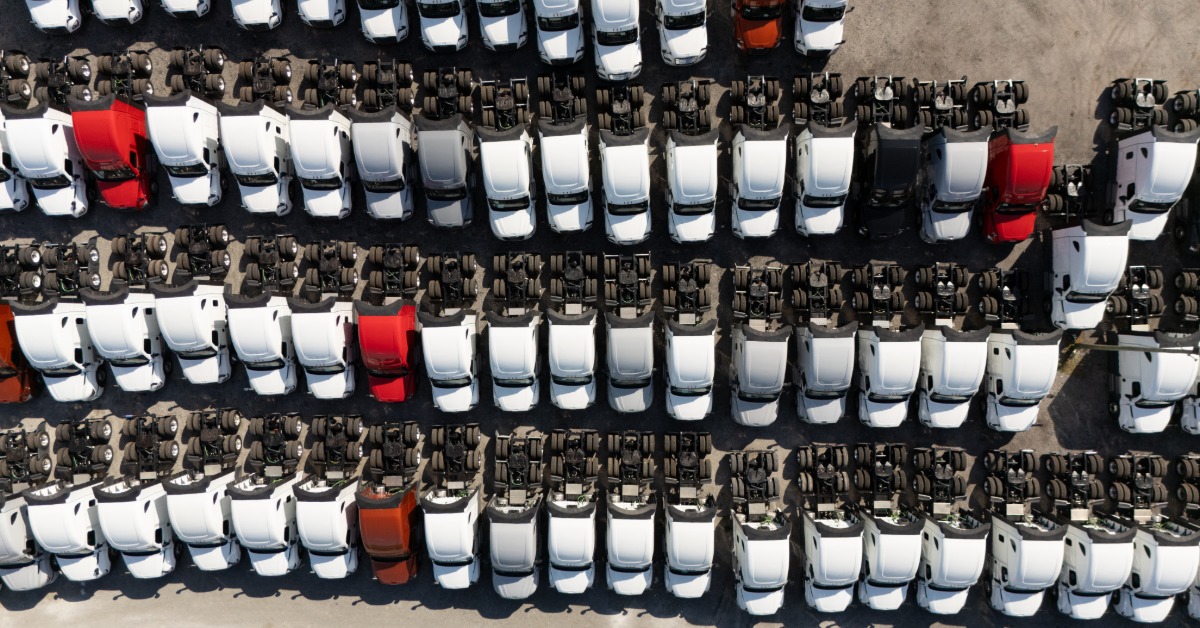
One pro of fleet insurance is easier vehicle management. It gives company owners a single policy structure for multiple business vehicles, which may reduce the need to track multiple renewal dates, payment schedules, and coverage documents. This arrangement can help owners who manage vehicles that multiple employees use for work.
Better Fit for Shared Vehicles
Some businesses do not assign a vehicle to a single driver, especially when employees rotate routes or job sites. Fleet insurance can support that arrangement, allowing the business to focus on covering company vehicles rather than building a separate policy for each driver. This can help companies with changing schedules by allowing managers to assign vehicles based on business needs.
More Consistent Coverage Standards

Fleet insurance can also help a company establish consistent coverage expectations across its fleet. This can reduce confusion when managers need to confirm which vehicles have coverage and what limits apply during work-related driving. Business owners can also use this structure to review driver eligibility and vehicle access in one place.
Helpful When Multiple Drivers Need Review
When a business has drivers with SR22 requirements, fleet insurance can help owners evaluate those drivers within a broader company coverage plan. The owner can review whether a driver qualifies to use a company vehicle before assigning that person to a route or job. This can support better planning when a driver’s record, license status, or filing requirement affects their ability to drive for work.
The Cons of Fleet Insurance
After reviewing how fleet insurance can simplify certain aspects of business vehicle coverage, it is time to look at how it can add pressure. Company owners should review these points carefully before relying on one policy for all vehicles.
Driver Records Can Affect Costs
Fleet insurance may cost more when the company has drivers with SR22 requirements. Insurers review risk across the business, so one driver’s record can create pricing concerns for the fleet. A company owner may need to decide whether a driver with an SR22 filing should operate a company vehicle, use a personal vehicle, or wait until they meet internal driving standards.
Possible Limits on High-Risk Drivers
Some fleet policies may impose restrictions on drivers with recent DUI offenses, repeated violations, or a history of suspended licenses. These restrictions can affect staffing, scheduling, and the company’s ability to assign vehicles to certain employees. When an employee needs an SR22, the business owner should confirm whether the fleet policy will accept that driver before assigning work that depends on driving.
Less Personal Control for Drivers
Fleet insurance is the business’s responsibility, so individual drivers may not control the policy, payment schedule, or coverage changes. That can create challenges for employees who need documentation tied to their own driving privileges.
The Pros of Individual Policies
Individual policies can work well when drivers use their own vehicles or when a business wants coverage decisions tied to one person at a time. This option may give owners a simpler way to separate company vehicle concerns from an employee’s personal driving history.
More Driver-Specific Coverage
Individual policies can match coverage to a single driver, a vehicle, and a personal driving situation. This can help when an employee has an SR22 requirement because the filing connects directly to that driver’s policy and legal obligation. Company owners may prefer this setup when workers use their own vehicles for job duties or when the business does not want one driver’s record tied to company-wide coverage.
Easier Separation Between Business and Personal Risk
Individual policies can also help keep a driver’s personal violations separate from the company’s fleet coverage decisions. This may matter when a driver needs SR22 insurance due to a DUI. The business can require proof of coverage before allowing that driver to use a personal vehicle for work-related travel.
More Responsibility on the Driver
An individual policy places more responsibility for filing, payment, and renewal on the driver. The associate driver must maintain coverage, keep documents current, and notify the business if anything changes that could affect their ability to drive for work.
Flexibility for Small Companies
Individual policies can also provide more flexibility to small businesses with only one or two vehicles that may not need the broader structure of fleet insurance. They may also make sense when each vehicle has a single primary driver or when employees drive personal vehicles for work-related tasks.
The Cons of Individual Policies
Although individual policies can give company owners a more driver-specific coverage path, they may also create concerns that deserve review. Owners should look at how this option affects daily operations and long-term planning.
Harder To Track Across Several Drivers
Individual policies can be difficult to monitor when a company has many drivers who use personal or assigned vehicles. The owner may need to request proof of coverage, review expiration dates, and confirm SR22 filing status for each driver who has that requirement.
Gaps Between Personal and Business Use
A personal policy may not cover every type of work-related driving, depending on the policy terms and how the driver uses the vehicle. This can create concern when employees transport tools, visit job sites, make deliveries, or carry out other business tasks.
Less Control for the Company
When drivers carry individual policies, the business owner has less control over payments, cancellations, and coverage changes. A driver could miss a payment or let a policy lapse, which may affect the company’s ability to schedule that person for driving duties.
Now you know how fleet insurance and individual policies can support company vehicles. However, each option creates different responsibilities for owners and drivers. Business owners should compare how each choice affects costs, driver eligibility, vehicle access, and SR22 filing needs before making a decision.
Companies seeking cheap commercial auto insurance should reach out to Serenity Group today. We can help you find coverage options that allow your employees to drive legally while also remaining affordable for your firm.
Recent Comments