
What To Expect From a Cheap Non-Owner Policy
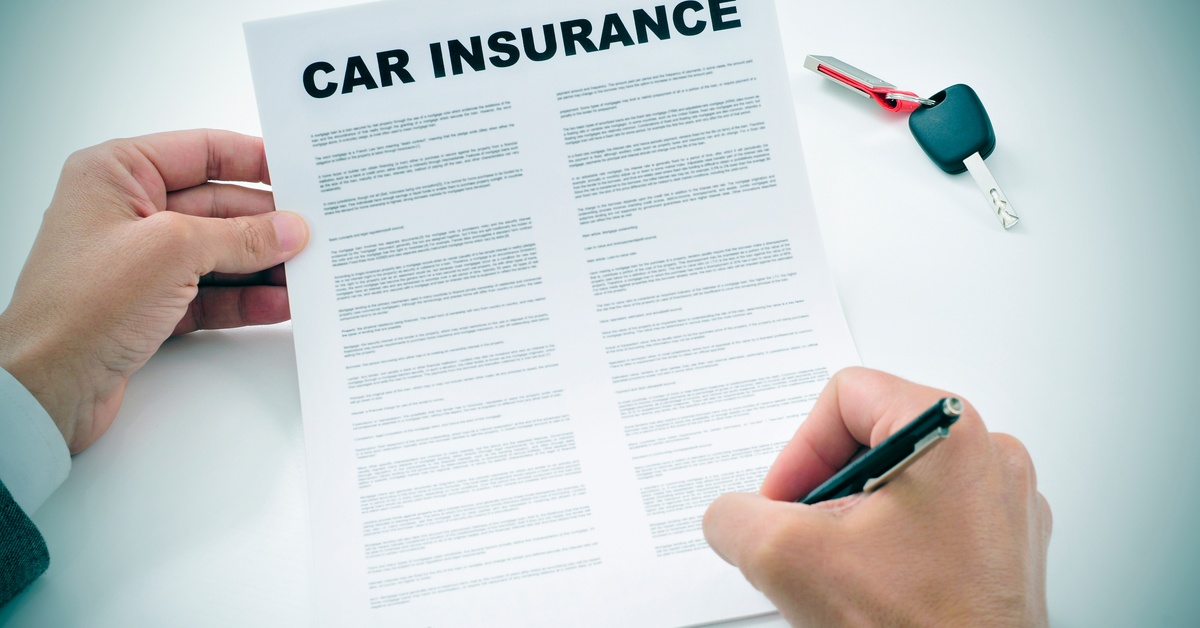
For many drivers, the need for car insurance does not disappear just because they do not own a vehicle. Life circumstances may require you to rent, borrow, or occasionally drive a car that belongs to someone else, and this is where a non-owner policy becomes essential. This blog will detail what to expect from a cheap non-owner policy, helping you protect yourself lawfully and financially, even if you don’t own a vehicle.
What Are the Basics of Non-Owner Car Insurance?
As its name implies, a non-owner car insurance policy provides liability coverage for drivers who do not own a vehicle. If you frequently borrow cars from friends, use car-sharing services, or rent vehicles, this policy protects you by helping pay for the other party’s medical bills and repair costs.
It is essential to recognize that this policy is linked to you, the driver, not to a specific vehicle. It follows you no matter which car you drive, as long as you have permission to use it and it is not one you regularly have access to.
Typically, non-owner insurance does not include comprehensive or collision coverage. These coverages pay for damage to the vehicle you are driving, and since you do not own the car, they are not part of a standard non-owner policy.
Who Benefits Most From a Non-Owner Policy?

Several types of drivers find significant value in a cheap non-owner policy. Individuals who frequently rent cars for business or pleasure can benefit, as it may be more cost-effective than purchasing the rental company’s liability insurance each time. It also provides consistent coverage you can rely on, regardless of which rental agency you use.
Another key group includes people who often borrow cars from friends or family. While the car owner’s insurance is the primary coverage, a serious accident could exceed their policy limits. Your non-owner policy would then cover the remaining costs, protecting both you and your relationship with the car owner from financial strain.
This type of policy is also essential for individuals working to reinstate their driver’s license. Many states require proof of insurance to get a license back, and a non-owner policy satisfies this requirement if you do not own a car. It demonstrates financial responsibility and is a critical step toward legally getting back on the road.
How Are SR22s and FR44s Connected to This Insurance?
For some drivers, the need for a non-owner policy is directly linked to a state requirement for an SR22 or FR44 filing. These are not types of insurance but rather certificates of financial responsibility that your insurance company files with the state on your behalf. They prove you carry the legally required amount of liability insurance.
States often mandate an SR22 following serious traffic violations, such as a DUI conviction, reckless driving, or driving without insurance. If the court or DMV requires you to file an SR22 but you do not own a vehicle, a non-owner SR22 policy is the solution. It fulfills your legal obligation without forcing you to purchase a car.
Similarly, an FR44 is required in states like Florida and Virginia for certain driving offenses, most commonly DUIs. The FR44 mandates liability coverage limits much higher than the state minimum. A non-owner FR44 policy allows you to meet these stringent requirements by providing the state with the necessary proof of high-limit insurance so you can maintain or reinstate your driving privileges.
What Doesn’t a Cheap Non-Owner Policy Cover?
It is also crucial to understand what you can’t expect a cheap non-owner policy to cover. For example, the policy will not pay for damage to the car you are driving.
Additionally, it does not cover your own injuries unless you have medical payments coverage or personal injury protection, which may be available as optional add-ons in some states. The policy will protect others from harm you may cause, rather than insuring the vehicle itself.
What Can Influence the Policy’s Cost?
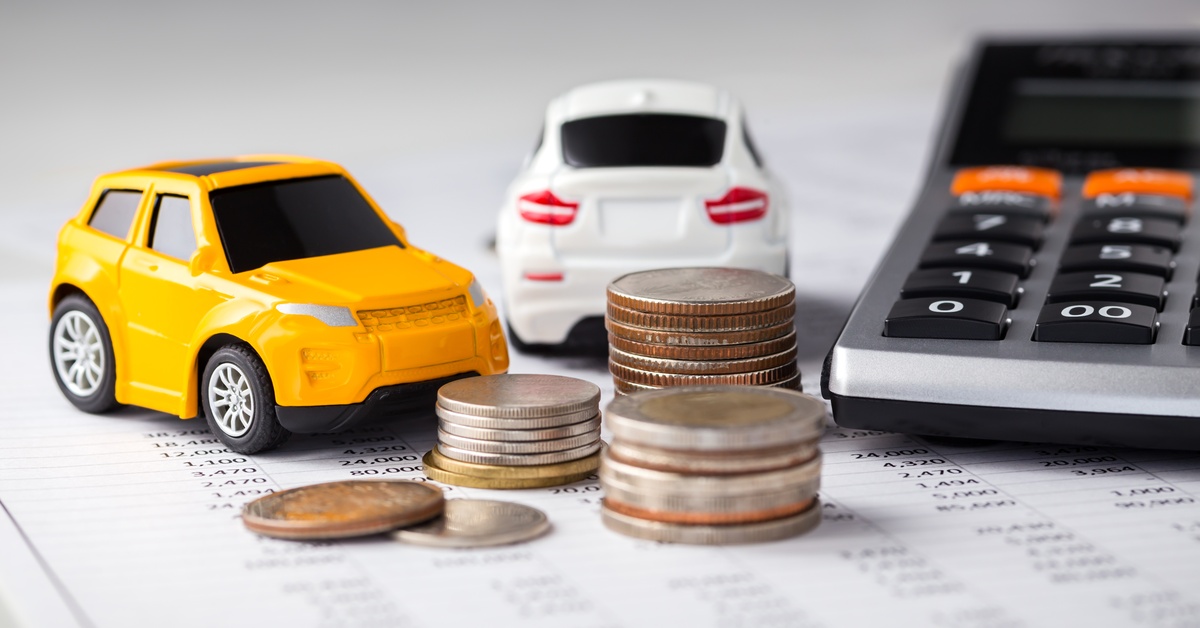
The price of a non-owner policy depends on several individual factors. Your driving record plays a significant role; a history of accidents or traffic violations will increase your premium. Insurers view a clean record as an indicator of a low-risk driver, which results in lower insurance costs.
Your age and location also affect the price. Statistically, younger, less experienced drivers are more likely to be in accidents, leading to higher rates. Additionally, insurance costs vary by state and even by ZIP code, depending on factors like traffic density, theft rates, and the frequency of claims in your area.
The amount of coverage you choose directly impacts your premium. Opting for state-minimum liability limits will result in a cheaper policy, but it may not provide adequate protection in a serious accident. Choosing higher limits increases the cost but offers greater financial security. If you need an SR-22 or FR-44, the associated filing fees and higher risk profile will also contribute to a higher overall premium.
How Can I Find an Affordable Policy?
Now that you know what to expect from a cheap non-owner policy, we can take a look at how to find one. An effective way is to visit an insurance agency and consult directly with an experienced agent. Meeting with an agent allows you to receive personalized recommendations that consider your driving history, coverage needs, and state requirements, including SR-22 or FR-44 filings.
An agent can explain the advantages of each policy, help you navigate the application process, and identify discounts you might qualify for, such as those for completing defensive driving courses. Relying on professional guidance eliminates guesswork and ensures you secure a policy that truly fits your situation at a competitive price.
Additionally, it is essential to be completely honest when discussing personal information and details about your driving history, especially if you have violations that require an SR-22 or FR-44. Attempting to hide this information will only cause problems later and could lead to policy cancellation.
Now you know more about a non-owner policy and how it can provide an essential safety net for drivers who do not own a car. It ensures you meet legal requirements and protects you from significant financial liability in the event of an accident.
If you need cheap non-owner’s auto insurance, contact Serenity Group today. We can guide you through the process of finding affordable insurance quotes to provide you with the security of coverage and less financial strain.
Recent Comments